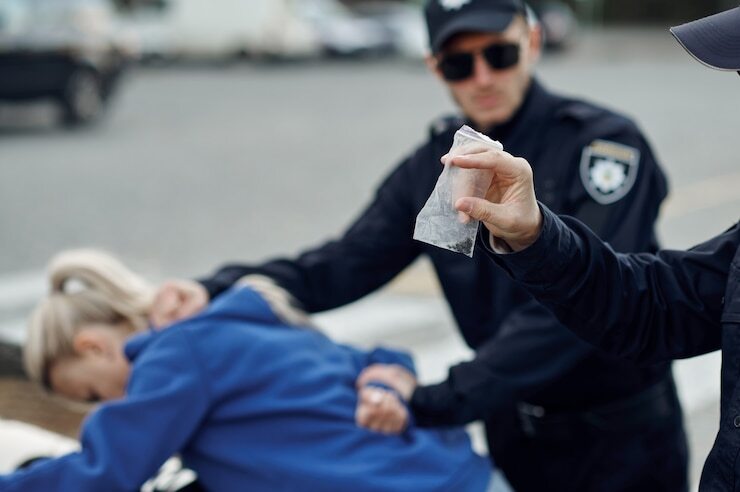
Drug offenses can be pretty severe and often carry harsh penalties. Such offenses are typically broken into two categories: possession and trafficking. Additionally, drug offenses can also include the production and importation/exportation of drugs. In this guide, we will discuss the different types of drug offenses and the potential penalties you could face if convicted.
What Is Drug Possession and Drug Trafficking in Canada?
Drug trafficking is the production, distribution, or sale of illegal drugs. On the other hand, drug possession refers to the personal use of illicit drugs. In Canada, both drug possession and drug trafficking are criminal offenses. Drug possession is typically prosecuted as a summary offense, while drug trafficking is charged as an indictable offense. The maximum penalty for drug possession is six months in jail and a $1,000 fine. The maximum penalty for drug trafficking is life in prison. Drug offenses are punishable by a wide range of penalties, depending on the type and quantity of drug involved, the offender’s criminal history, and other factors. For example, possession of marijuana for trafficking carries a minimum sentence of 1 year in jail. Drug offenses are serious crimes that can significantly impact an offender’s life. If you have been charged with a drug offense, consider seeking legal advice as soon as possible.
Penalties For Drug Offenses
Drug offenses are punishable by law in many countries. The penalties for drug offenses depend on the severity of the offense and the number of drugs involved. Possession of small quantities of drugs may result in a fine, while possession of large amounts may result in a prison sentence. Manufacturing or selling drugs is usually punishable by a prison sentence. The penalties for drug offenses vary from country to country. In some countries, drug offenders may be given a death sentence. Drug offenses are serious crimes, and offenders should be aware of the potential penalties before committing such offenses.
Drug offenses are punishable by law in most countries. The penalties for drug offenses can vary depending on the type and quantity of drug involved and the jurisdiction in which the crime is committed. Penalties can range from a small fine to a prison sentence. In some cases, the death penalty may be imposed. Drug offenses are typically treated more leniently in countries where the use of drugs is not prohibited by law. In these countries, penalties for drug offenses are typically lower, and offenders are often allowed to participate in drug rehabilitation programs instead of being incarcerated.
How to Avoid Being Charged With a Drug Offense
Drug offenses are some of the most severe criminal offenses in Canada. If you are charged with a drug offense, you could face a jail sentence, a fine, or both. There are a few ways to avoid being accused of a drug offense:
- Avoid using illegal drugs altogether. If you use illicit drugs, be sure to purchase them from a reliable source and store them in a safe place where police cannot find them.
- If you are ever stopped by police while possessing illegal drugs, do not try to hide them or run away. Instead, calmly tell the officer that you have drugs in your possession and follow their instructions.
- If you are ever arrested for a drug offense, remember that you have the right to remain silent.
Anything you say can and will be used against you in court. If you choose to exercise this right, politely inform the officer that you would like to speak to a lawyer before answering any questions. Following these steps can help ensure you do not end up being charged with a drug offense.
Drug Rehabilitation and Addiction Treatment in Canada
Drug rehabilitation and addiction treatment are essential parts of the criminal justice system in Canada. These offenses make up a significant portion of the criminal caseload in Canada, and many offenders have substance abuse problems. Drug rehabilitation and addiction treatment can help offenders to address their substance abuse problems and reduce their risk of reoffending. Drug rehabilitation programs can allow offenders to detoxify from drugs, receive counseling and therapy, and develop skills for living a drug-free life. Addiction treatment programs can also help offenders develop coping skills and deal with triggers and cravings. Drug rehabilitation and addiction treatment programs can be successful in reducing recidivism rates among offenders, and they can help offenders to lead productive and law-abiding lives.
Resources for People Struggling With Addiction or Accused of a Drug Crime
Drug offenses can have many consequences, including a criminal record, imprisonment, and difficulty finding employment. If you have been accused of a drug offense, it is essential to get legal advice as soon as possible. You may be able to avoid a criminal conviction or get a lighter sentence if you plead guilty at an early stage. Many support services are also available for people struggling with addiction. These services can help you to recover from addiction and avoid reoffending. Drug rehabilitation programs can be accessed through the court system, community organizations, or private providers. If you are struggling with addiction, it is essential to seek help as soon as possible. Many resources help you overcome addiction and lead a productive life.