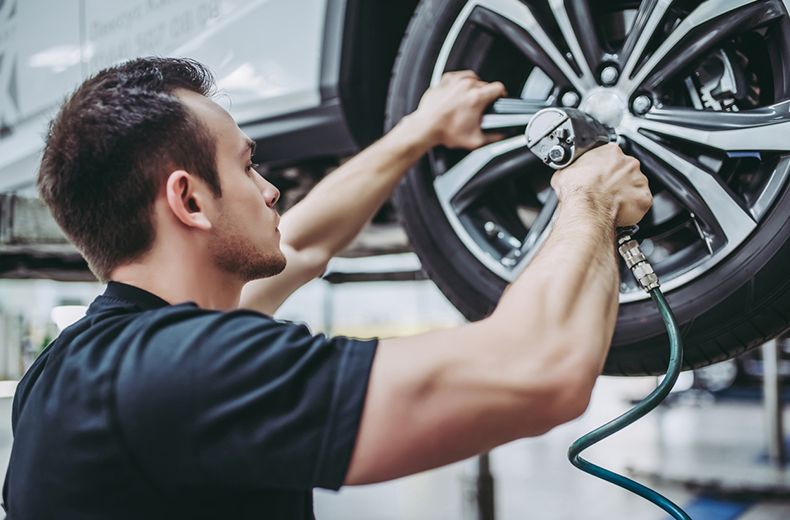
Car repairs are essential for keeping your car running smoothly. Even small issues can cause major problems if not fixed promptly. You can get your car repaired in your city while searching the nearest manufacturers. Just type, for example, exhaust manufacturers UK.
What are the benefits of keeping your vehicle in good condition?
When it comes to keeping your car in good condition, there are several benefits that you can reap. Not only does this mean that your car will run more smoothly and last longer, but it can save you a good amount of money in the long run. Here are some of the most common benefits of maintaining your vehicle:
- Your car will run smoother and be less likely to break down. This is thanks to regular maintenance and preventive care that keep everything running smoothly, from the engine to the brakes.
- It will cost you less to maintain your car than it would buy a new one. Regular repairs and replacements can add up quickly, but you can usually avoid major issues like costly repair bills or totaled cars with regular maintenance.
- You’ll be able to get much more out of your vehicle than if it’s not well-maintained. While it’s true that you’ll spend less on maintenance, your car will also be in better shape.
- You’ll get away with driving less risky cars. While it’s true that you will have to spend more money on maintenance, you’ll also be able to drive a safer car that can handle the rougher roads and weather conditions in which you live.
What are the guidelines for car maintenance?
1. First and foremost, make sure to get your car serviced regularly by a mechanic.
Regular car servicing is important for the longevity of your vehicle. A mechanic will identify and correct any problems before they become major issues. Doing this allows you to keep your car running smoothly and avoid costly repairs down the line. Plus, keeping your car in good condition will make driving more pleasurable, making you more likely to take it out on regular trips and events.
2. Second, use the right oil and filter for your vehicle.
Keeping your car running smoothly and efficiently requires the right oil and filter for your vehicle. If you’re not using the correct oil or filter, your engine could be damaged, and your car could stop working.
- Always consult the owner’s manual for specific information on what type of oil is appropriate for your car.
- Use only approved synthetic oils in your vehicle. Synthetic oils are less likely to damage engine parts than conventional petroleum-based oils. However, synthetic oils will require a different type of filter than regular automotive filters.
3. Third, be sure to check your brakes, tires, and windshield wipers regularly.
Third, always check your brakes, tires, and windshield wipers regularly. Brakes should be checked for wear and tear, and the tires should be inflated to their recommended psi levels. Wiper blades should also be inspected for nicks or tears that could cause water to splatter onto the road in front of you.
4. Inspect your car before any repair work, especially if the issue is complex or unknown. Look for systemic problems such as oil leaks, faulty brakes or flimsy parts that could cause further damage if not addressed soon.
Ensure your equipment is properly prepared before beginning any repair work on your car. This includes tools and supplies needed for the specific job and a spare part or two in case something goes wrong.
5. And finally, don’t forget about tune-ups and alignment!
Regular tune-ups and alignment of your vehicle’s suspension will keep it performing at its best. A properly aligned suspension allows for a smooth ride, while a misaligned one can cause premature wear and tear on your suspension and drivetrain components. Here are some tips to ensure that your car is in perfect alignment:
- Have your tires rotated regularly - this will help to maintain their balance and alignment.
- Check the alignment of your wheels and tires - misaligned tires and wheels can cause vibrations and harsh ride characteristics.
- Inspect the frame, chassis, and undercarriage for any signs of misalignment or damage - if left unattended, these could result in more serious issues.
- Make sure all screws, bolts, brackets, and other hardware are tight - loose items can cause vibrations that affect the suspension alignment.
How can you stay safe when driving?
Regarding driving, everyone knows the cardinal rule: stay ahead of the traffic. But how can you be sure to stay safe while behind the wheel? The answer may lie in some simple precautions that you can take. For example, ensure your car is in good working order by checking fluid levels, brakes and tires. And don’t drive if you’re impaired by alcohol or drugs – these substances will impair your judgement and ability to operate a motor vehicle safely.