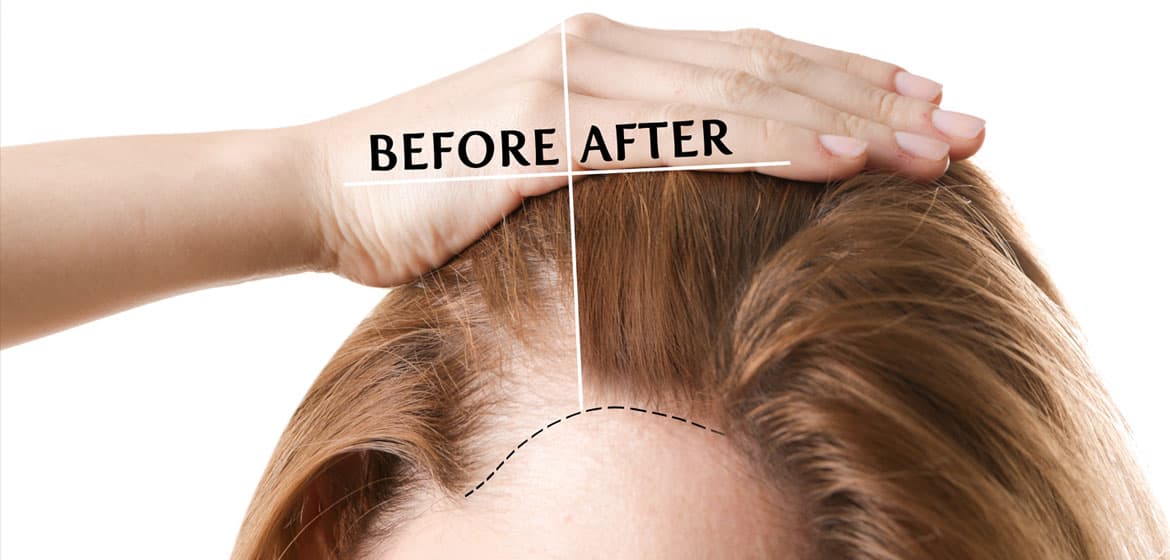
The meaning of hair transplantation is the hair transplant procedure is a method where a plastic surgeon or dermatological surgeon transfers hair into a bald region in the front of your head. The surgeon generally shifts hair from behind the face to the front or top of the head. Hair transplants are usually performed in a medical clinic in a local area under anesthesia. Pattern hair loss is the reason for most hair loss. It is a result of genetics.
The rest of the cases are caused by many causes, such as:
diet
stress
illness
hormonal imbalance
medicines
Are there various types of hair transplants that can be performed?
There are two kinds of transplant procedures available: slits and micro grafts.
Slit grafts have between 4 and 10 hairs per graft. Micro grafts are between 1 and 2 hairs per graft based on the coverage required.
Who would gain from hair transplants?
The process of getting a hair transplant could boost your self-esteem and appearance.
The most suitable candidates for hair transplants are:
Males who suffer from male pattern hair loss
women with hair loss
Anyone who’s lost hair due to a burn or an injury to the scalp
A hair transplant isn’t an excellent alternative for:
women who exhibit a widespread pattern of loss of hair throughout the scalp
those who do aren’t “donor” hair sites from where to take hair for transplant
patients who develop the colloid scars (thick fibrous scars) following surgery or injury
individuals whose hair loss occurs caused by medications like chemotherapy
What happens during a transplant of hair?
After thoroughly washing your hair’s scalp, the doctor uses a tiny needle to numb an area on your head using local anesthesia.
Two primary methods are used to get follicles to transplant FUT and FUE.
In follicular unit transplantation (FUT):
The surgeon uses scalpels to cut the scalp’s skin located at the top of the scalp. The incision will typically be about a foot long.
This is then sealed with stitches.
The surgeon will then cut the scalp portion that is removed into tiny sections using a magnifying lens and the sharp blade of a surgical. Once implanted, these segments will aid in achieving natural-looking hair growth. In Follicular Unit Extraction (FUE), hair follicles are removed directly from the side of the head through hundreds to thousands of cut-offs. The surgeon creates tiny holes using a blade or needle into the area of your scalp where you’re receiving the transplant. The surgeons gently place hairs into these holes. In one session of treatment, surgeons may be able to transfer hundreds to even thousands. Following the graft, gauze, bandages, or graft protects your scalp for several days. A hair transplant procedure may take as long as at least four hours. The stitches will be removed within ten days of the process. You could require as many as three to four treatments to get that full-length head you would like. Sessions take place over some time so that each transplant can fully heal.
What happens following the hair transplant?
The scalp could be irritated, and you might need to take medication following hair transplants, like:
medications for pain
Antibiotics can reduce the risk of getting sick.
anti-inflammatory medicines to minimize swelling
Most patients can return to work within a few days following surgery.
It’s common for transplanted hair loss to occur within two to three weeks following the procedure. This opens the way for the growth of new hair. Most patients will see a certain amount of hair growth between 8 and 12 months following surgery.
Many physicians prescribe monoxide (Rogaine) or the hair-growth medication finasteride (Prophecies) to increase hair growth. These drugs also aid in slowing or stopping the loss of hair in the future.
What are the issues that can arise from the hair transplant?
The side effects of a hair transplant tend to be minor and disappear within a couple of weeks.
They may include:
bleeding
Infection
Scalp swelling
A crust forms on the area of the scalp where hair was taken off or implanted.
Itching
Infection or swelling of hair follicles.
It is referred to as folliculitis.
Shocking loss or sudden but generally temporary loss of transplanted hair.
Hairstyles that look unnatural.
What do you think of the long-term outlook?
Most people who have received a hair transplant continue to develop hair in the areas transplanted of their scalp.
The new hair could appear thicker or lighter according to:
Scalp laxity depends on how tight your skin
the density of follicles within the transplanted zone
hair caliber or quality
Hair curl
Suppose you do not take any medications (such as finasteride or monoxide) or take a lower amount of laser therapy. In that case has you might continue to suffer from hair loss in areas that aren’t treated on your head.